Dashain is Nepal’s longest and most important Hindu festival, traditionally celebrated over a 15-day period. Dedicated to Goddess Durga, the festival symbolizes the victory of good over evil and is deeply rooted in Nepali religious, cultural, and social life. Dashain is a time for family reunions, blessings from elders, ritual worship, festive meals, and cultural activities.
For both locals and visitors, Dashain offers a rare opportunity to experience Nepal beyond trekking and landscapes — revealing its spiritual depth, living traditions, and strong family values.
Dashain commemorates the victory of Goddess Durga over the demon Mahishasura, representing the triumph of righteousness over negative forces. According to Hindu belief, Durga was created from the combined energy (*shakti*) of all gods and armed with their divine weapons.
Although Dashain spans 15 days, the first ten days — from Ghatasthapana to Vijaya Dashami — are the most significant. These days involve household rituals, temple visits, offerings, and family gatherings.
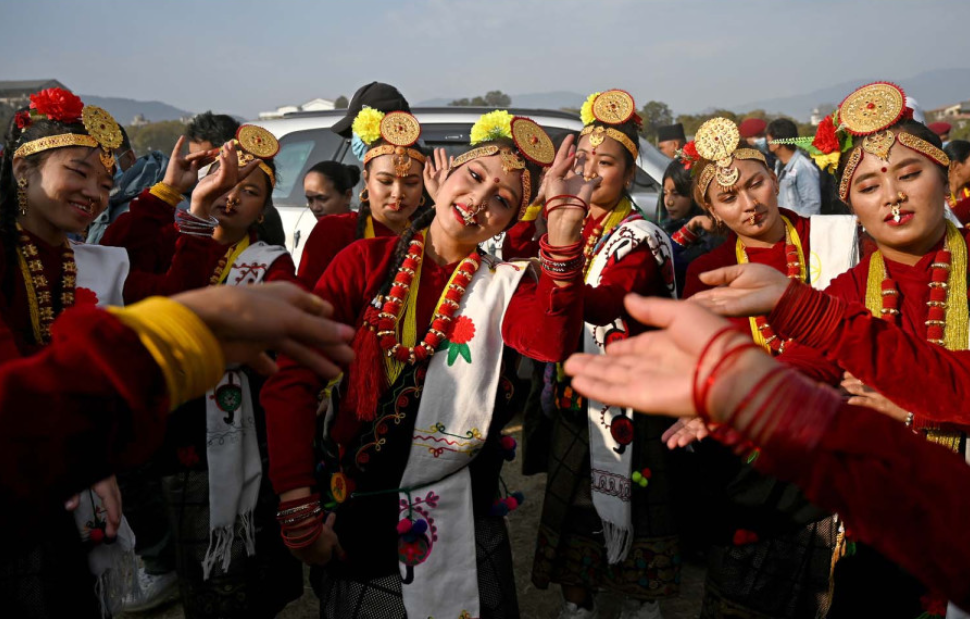
During Dashain, people wear new clothes, visit relatives to seek blessings, exchange gifts, and enjoy kite flying, village swings (ping), card games, and festive gatherings. In the Kathmandu Valley, traditional sword processions (Paayaa) take place, and the Taleju Temple opens to the public on Maha Navami — a rare annual occasion.

Based on verified lunar calendar sources, Dashain 2026 is observed from October 11 to October 25, 2026. The most important day, Vijaya Dashami (Tika Day), falls on October 21, 2026, with the auspicious tika time traditionally observed in the late morning.
Dashain begins with Ghatasthapana, when a sacred pot (*kalash*) is placed in a prayer room and barley seeds are sown to grow jamara. The kalash symbolizes Goddess Durga’s presence, and daily prayers are performed for protection and prosperity.
Fulpati marks the ceremonial arrival of sacred offerings — including flowers, leaves, sugarcane, and banana stalks — brought from Gorkha to Kathmandu and homes across Nepal. It signifies the formal entry of the Goddess into households.
Maha Ashtami is associated with intense Durga worship. In many Hindu households and temples, animal sacrifices (mainly goat or buffalo) are performed, while others choose symbolic offerings such as fruits or pumpkins.
On Maha Navami, tools, vehicles, machinery, and workplaces are ritually cleaned and blessed. In Kathmandu, Paayaa sword processions are held, and the Taleju Temple opens to the public for one day.
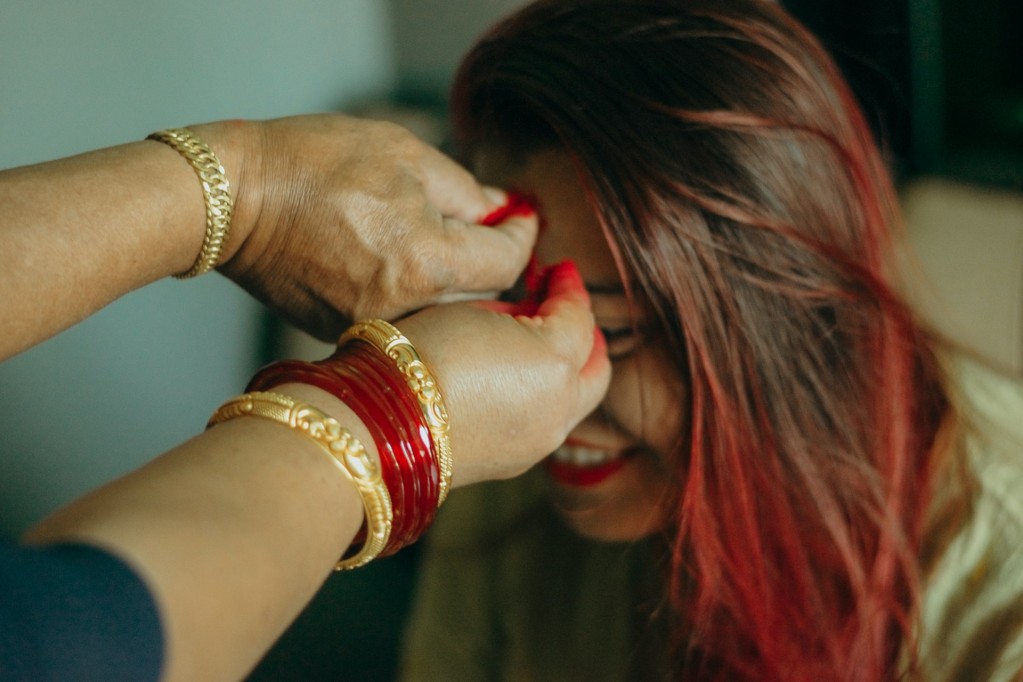
Vijaya Dashami is the most celebrated day of Dashain. Elders apply tika (red vermilion mixed with rice and yogurt) and jamara to younger family members while offering blessings for success, health, and longevity.
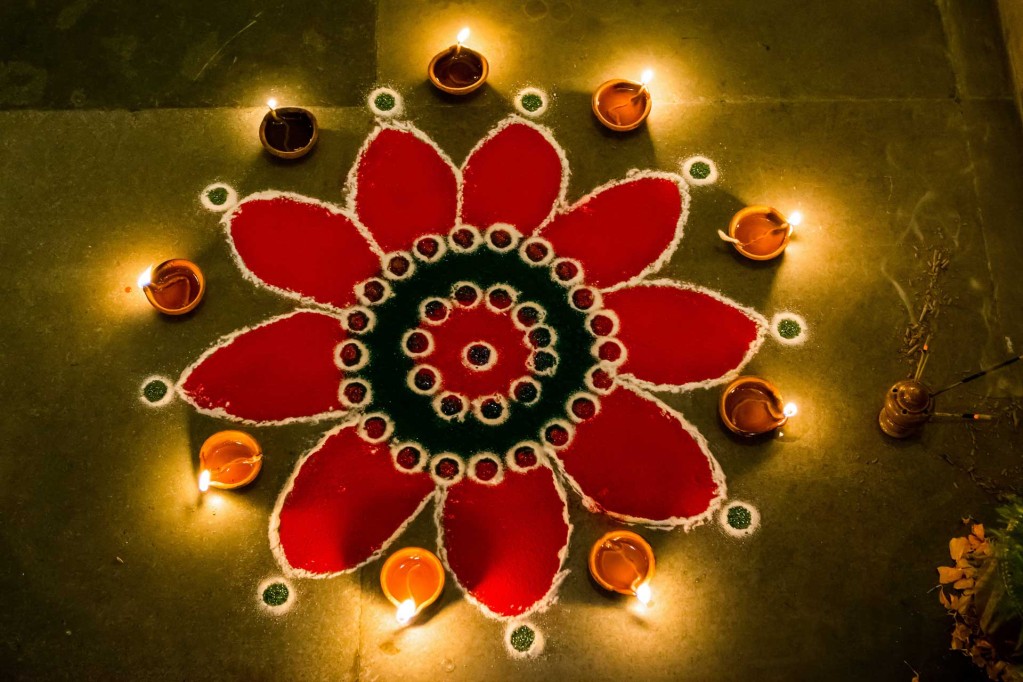
Dashain concludes with Kojagrat Purnima, dedicated to Goddess Lakshmi. Families stay awake through the night, light oil lamps, and pray for wealth and prosperity.

Dashain is known for elaborate home-cooked meals prepared during family gatherings:
Note: Momos, although popular across Nepal, are not considered a traditional Dashain dish.

• Magical Nepal – Dashain Festival
• Apsara Pandey – Dashain Traditions
Thu 07 Mar, 2024
Thu 08 Jan, 2026
Mon 12 Jan, 2026
Mon 12 Jan, 2026