Maghe Sankranti, also known as Maghi and referred to in some regions as Makar Sankranti, is one of Nepal’s oldest and most widely celebrated festivals. Observed every year in mid-January, this festival marks the end of the coldest winter period and the beginning of longer, warmer days, symbolizing renewal, health, and agricultural prosperity.
Unlike many Nepali festivals that follow the lunar calendar, Maghe Sankranti is based on the solar calendar, which is why it falls on almost the same date each year—usually January 14. In Nepal, the day is recognized as a national public holiday.
Maghe Sankranti signifies the moment when the sun enters Capricorn (Makara), a celestial transition believed to bring positive energy, warmth, and balance to nature. This shift is considered auspicious, representing the gradual return of sunlight, improved health, and fertile conditions for farming communities.
The festival blends religious devotion and agrarian traditions, reflecting Nepal’s deep connection with nature and seasonal cycles. People offer prayers to the sun, rivers, and ancestral deities, expressing gratitude for past harvests and hoping for prosperity in the year ahead.
A key ritual of Maghe Sankranti is taking a holy bath at sacred river confluences. Popular pilgrimage sites include Devghat, Ridi, Triveni, Dolalghat, and other riverbanks across the country. Bathing in these waters is believed to cleanse sins and purify both body and soul.
Families gather early in the morning, elders bless younger members, and communities come together to celebrate with shared meals and prayers. In many households, the day is also marked by family reunions and social harmony.
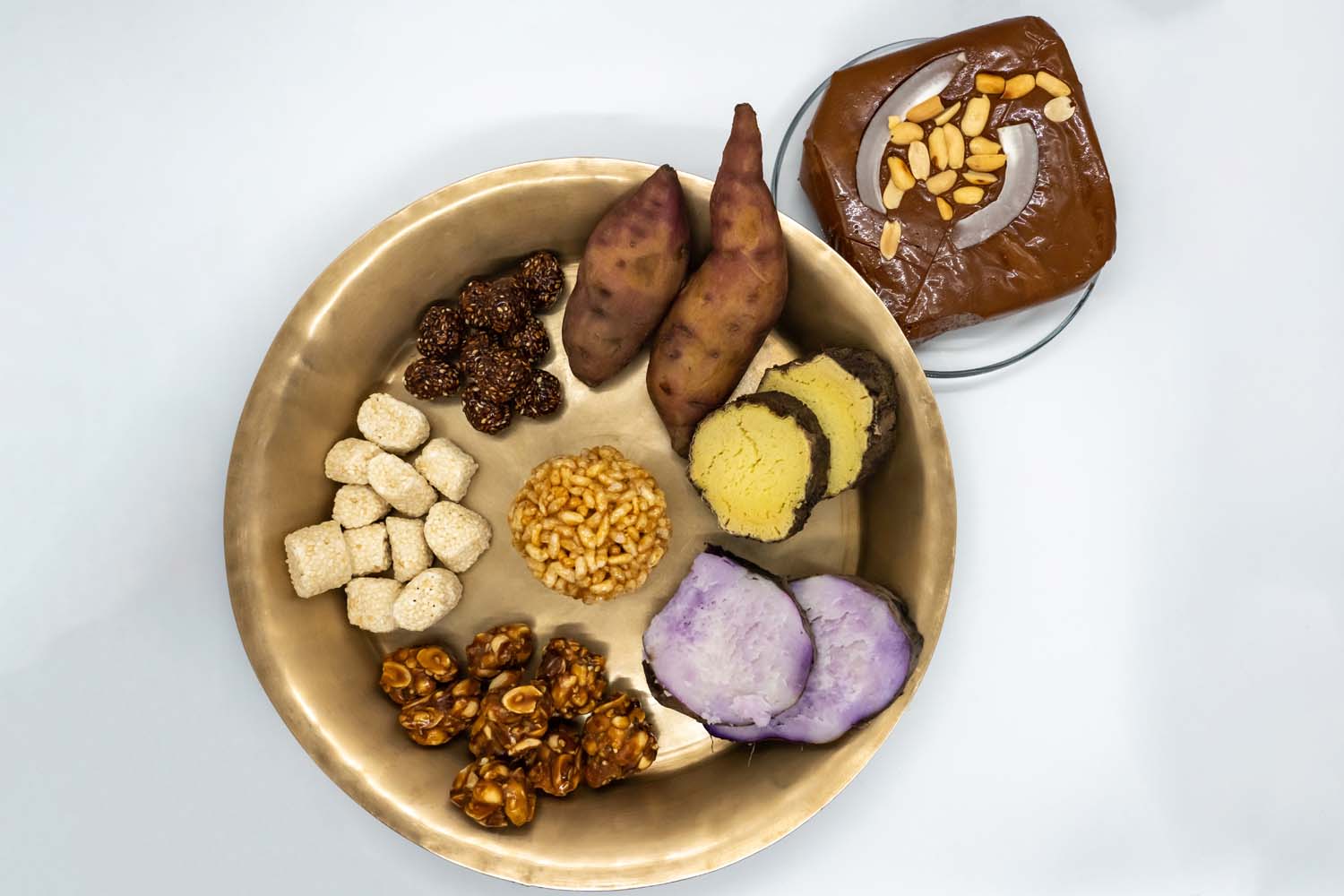
Food plays a central role in Maghe Sankranti, especially dishes believed to provide warmth and strength during winter’s end. Common foods include:
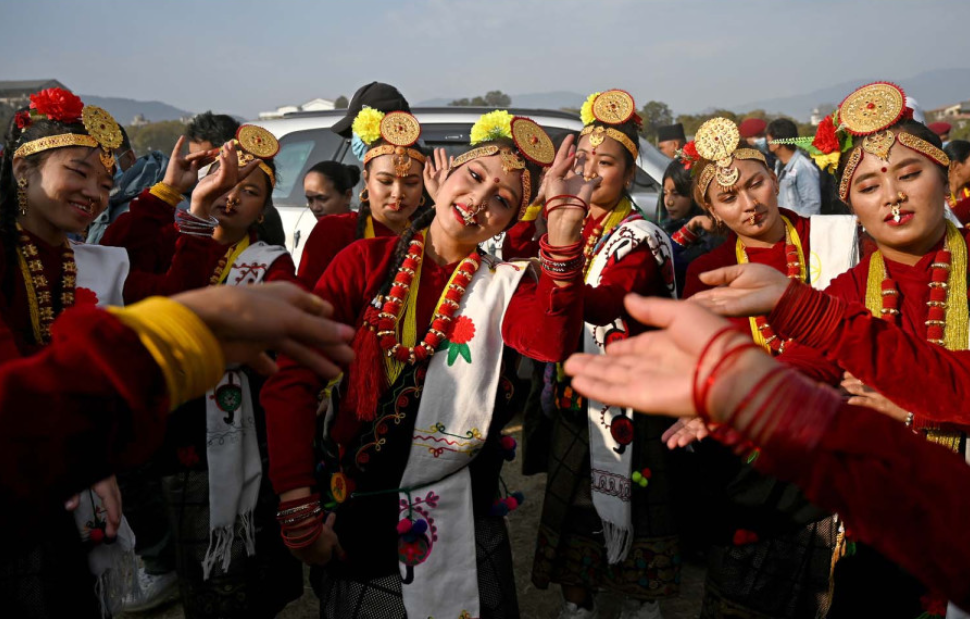
Among the Tharu community, traditional dishes such as Dhikri and Bara are prepared, and the festival is celebrated as a form of New Year, featuring feasts, music, and cultural dances.
Despite regional differences, the core message remains the same—renewal, gratitude, and togetherness.
For travelers, Maghe Sankranti offers a rare chance to witness Nepal’s living traditions. Pilgrimage sites become vibrant cultural hubs, local homes prepare authentic seasonal foods, and communities warmly welcome visitors into their celebrations.
The festival highlights Nepal’s harmony between nature, spirituality, and daily life, making it an enriching experience for anyone interested in culture, heritage, or responsible travel.
Thu 07 Mar, 2024
Thu 08 Jan, 2026
Mon 12 Jan, 2026