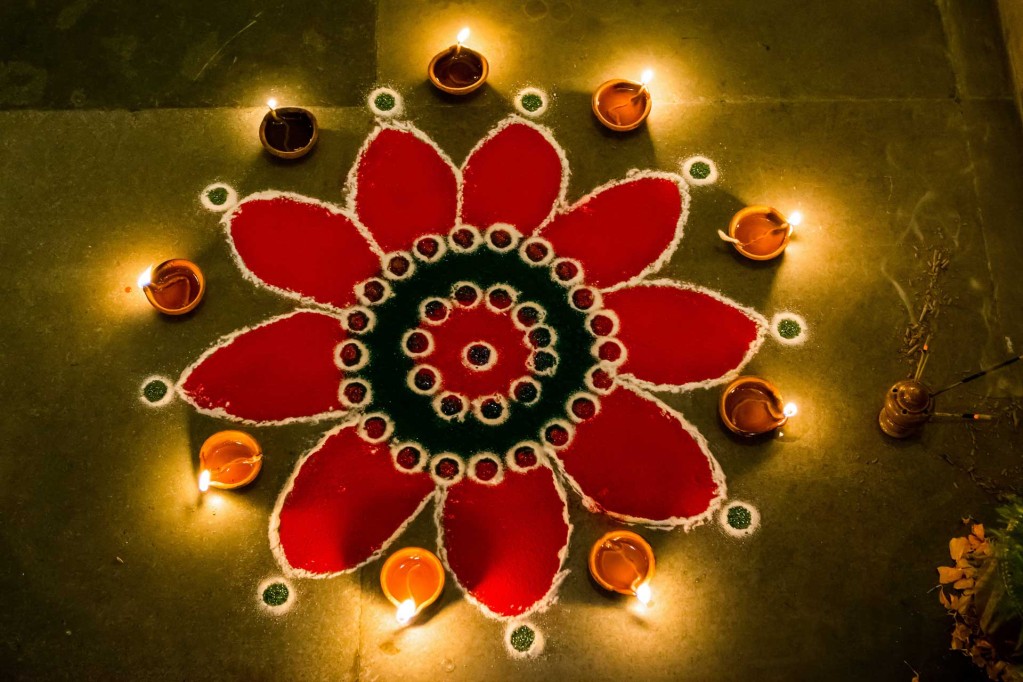
Tihar, also known as Deepawali, is one of Nepal’s most vibrant and meaningful Hindu festivals, celebrated over five days. Often called the Festival of Lights, Tihar honors life, nature, animals, prosperity, and family bonds. Homes, temples, and streets across Nepal glow with oil lamps, candles, and decorative lights, creating a joyful and colorful atmosphere.
Unlike many other festivals, Tihar uniquely celebrates the relationship between humans and other living beings. Each day is dedicated to a different deity, animal, or family bond, with special importance given to Yama, the God of Death, and Goddess Laxmi, the Goddess of Wealth.
-1624865574.jpg?p=1024&s=cd52d2467f0f4079d18cd1caff2b0c8e)
Tihar stands out for its deep symbolism and inclusiveness. The festival expresses gratitude toward animals that play important roles in Nepali culture while reinforcing values of respect, harmony, and prosperity. It is also a time for singing traditional Tihar songs (Deusi–Bhailo), visiting homes, sharing blessings, and exchanging gifts.
Throughout the festival, houses are decorated with garlands and lights, and cities like Kathmandu appear especially stunning when viewed from places such as Swayambhunath Stupa.
-1624867033.jpg?p=1024&s=2729ba84decaa7a6b09c0a01cff4807a)
The festival begins with Kaag Tihar, the day dedicated to crows, regarded as messengers of Yama. People offer rice, incense, and light to crows on leaf plates to ward off grief and misfortune.
On Kukur Tihar, dogs are worshipped for their loyalty and protective nature. They are adorned with flower garlands, marked with tika, and offered delicious treats. This day beautifully reflects Nepal’s respect for animals.
The third day is the most celebrated. In the morning, cows, considered a symbol of wealth and prosperity, are worshipped. In the evening, families perform Laxmi Puja, welcoming Goddess Laxmi into their homes by lighting lamps, decorating entrances, and keeping doors and windows open.
Footprints symbolizing the goddess are drawn from the entrance into the house, and rows of lamps are placed along windows and doors in the hope that Goddess Laxmi notices and blesses the household.
-1624866770.jpg?p=1024&s=a5dc5eb4fb13e1de35c012328dbf6c45)
The fourth day honors oxen, essential to agriculture. In the Newari community, this day also includes Mha Puja, a unique ritual dedicated to oneself, focusing on purification, strength, and spiritual well-being.
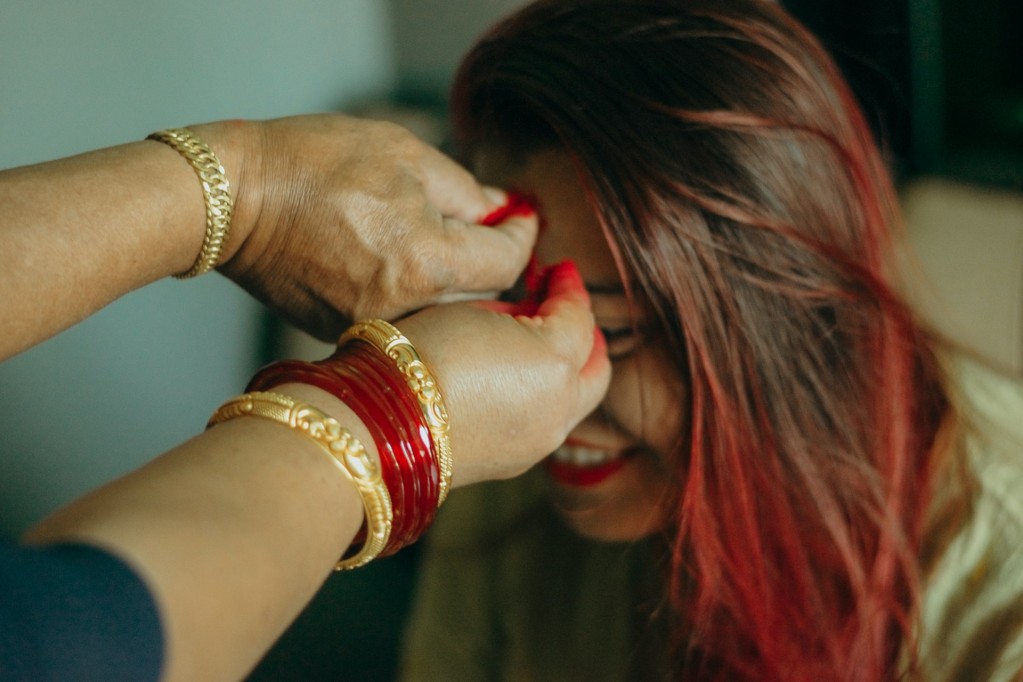
The final day, Bhai Tika, celebrates the sacred bond between brothers and sisters. Sisters apply multi-colored tika on their brothers’ foreheads and pray to Yama for their brothers’ long life, health, and prosperity. Brothers, in return, offer gifts and promises of protection.
In some communities, siblings exchange tika mutually, and the festival concludes with family feasts and joyful gatherings.
Visiting Nepal during Tihar offers travelers a rare chance to experience a festival that combines spirituality, culture, and joy. The illuminated cities, welcoming homes, and festive songs create an unforgettable atmosphere. Tihar is ideal for travelers interested in cultural immersion, photography, and authentic local experiences.
While some businesses may operate on limited hours during major days, the warmth and hospitality of the festival more than compensate, making Tihar a memorable time to explore Nepal.
Thu 07 Mar, 2024
Mon 12 Jan, 2026
Mon 12 Jan, 2026